2 Oct 2026
Transaction Security Frameworks in Interactive Gaming Environments
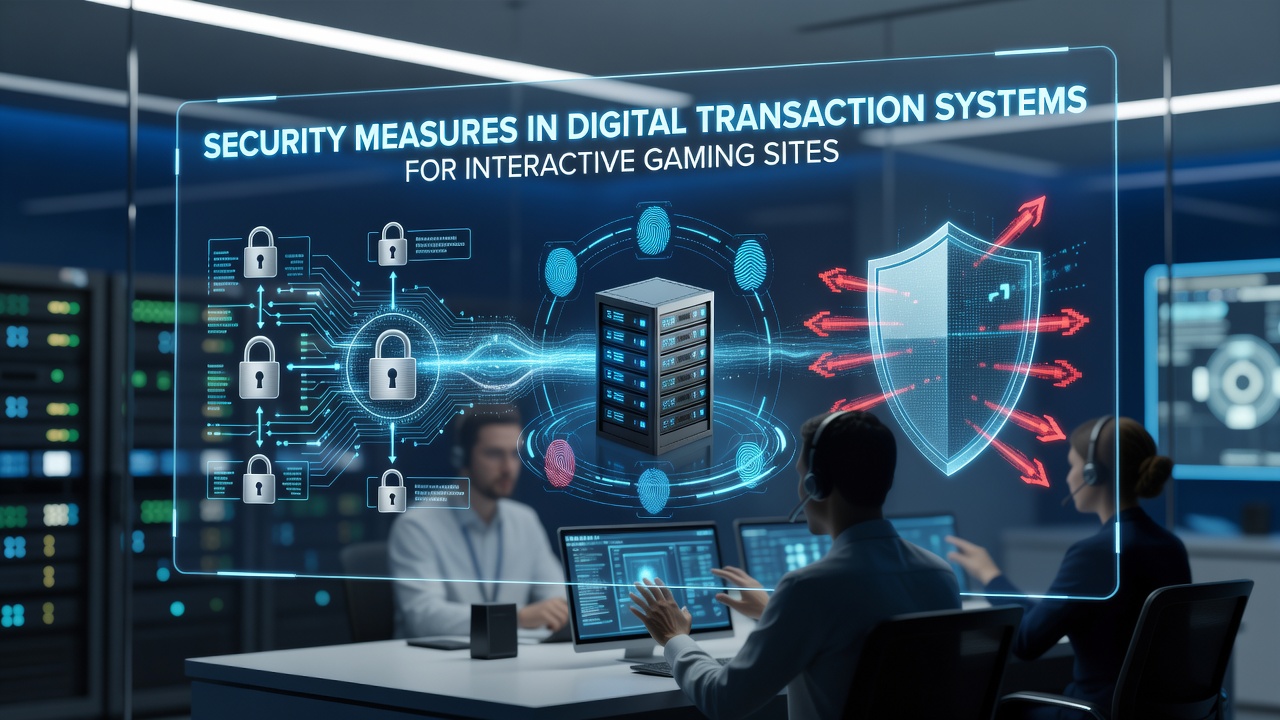
Interactive gaming sites process thousands of deposits and withdrawals daily, and operators rely on layered protocols to keep those exchanges protected from interception or alteration. Data from industry reports shows that platforms integrate encryption, tokenization, and continuous monitoring to maintain integrity across payment channels, while regulatory requirements in multiple jurisdictions set baseline standards that operators must meet. Research indicates that as transaction volumes grow, the combination of technical controls and compliance frameworks becomes essential for preventing unauthorized access and maintaining user trust in these systems.
Encryption Protocols in Payment Processing
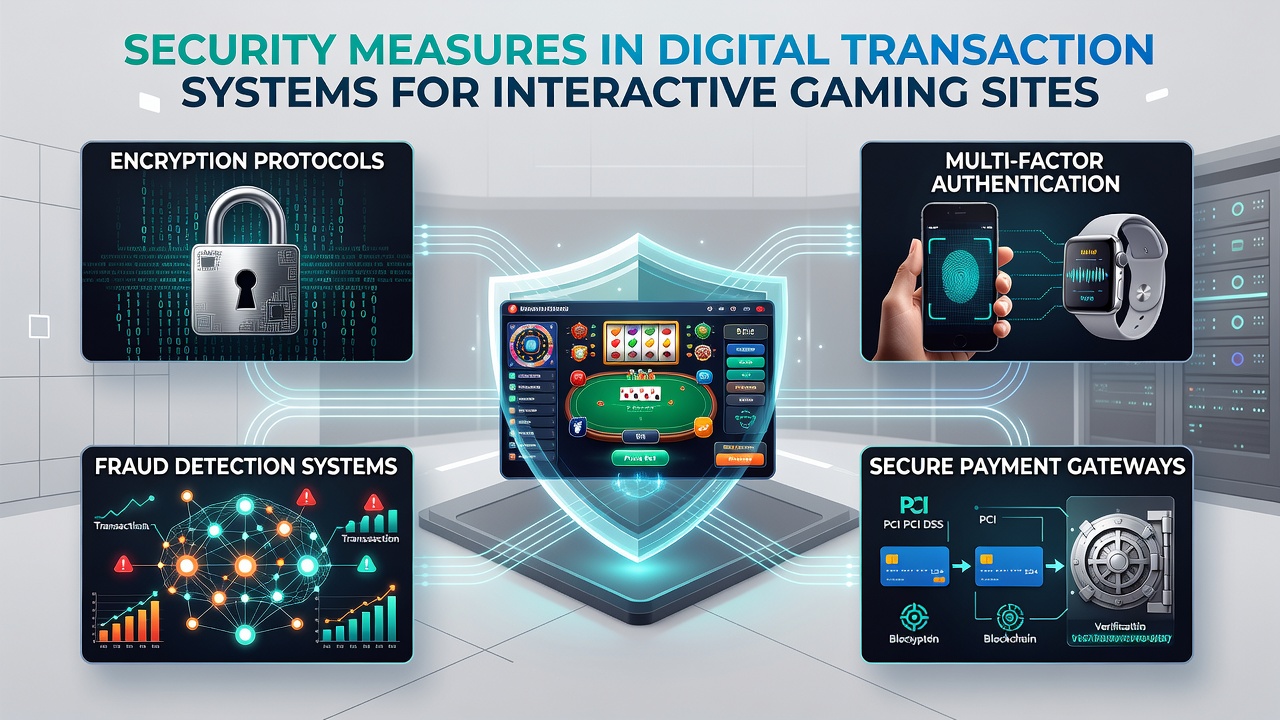
Operators deploy Transport Layer Security versions 1.2 and 1.3 to encrypt data moving between user devices and gaming servers, and many sites apply Advanced Encryption Standard with 256-bit keys for stored financial details. These methods convert sensitive card numbers and account information into unreadable strings during transmission and storage, which reduces exposure if network traffic is captured. Studies from cybersecurity research groups reveal that platforms conducting regular key rotation and certificate management experience fewer incidents of data leakage, and the practice aligns with guidelines issued by agencies such as the National Institute of Standards and Technology in the United States.
Tokenization and Data Minimization
Tokenization replaces actual payment credentials with unique tokens that hold no intrinsic value outside the specific transaction environment, and this technique limits the amount of usable data retained on gaming servers after each session ends. When a player initiates a deposit, the system generates a token that the payment processor validates without exposing the original card details, which shrinks the attack surface available to potential intruders. Figures from financial technology analyses demonstrate that sites adopting tokenization alongside strict data retention policies report lower rates of stored credential theft, and the approach satisfies requirements set by payment card industry standards that apply across North America and Europe.
Authentication and Access Controls
Multi-factor authentication combines something the user knows, such as a password, with something the user possesses, like a one-time code sent to a registered device, and interactive gaming platforms enforce these steps at login and during withdrawal requests. Biometric options including fingerprint or facial recognition appear on mobile applications, adding another verification layer without requiring additional hardware for most users. Reports compiled by the European Union Agency for Cybersecurity highlight that accounts protected by multi-factor methods experience significantly reduced unauthorized access attempts, and operators in Canada and Australia have incorporated similar requirements into their licensing conditions for gaming services.
Fraud Detection and Monitoring Systems
Real-time analytics engines scan transaction patterns for anomalies such as rapid successive bets from a single account or mismatched geographic locations, and machine learning models flag these events for manual review before funds are released. Automated alerts trigger when withdrawal amounts exceed historical norms or when new payment methods appear suddenly on established accounts, which allows security teams to intervene quickly. Data compiled by academic research teams at institutions studying digital finance shows that early detection of irregular activity prevents the majority of attempted fraud cases from completing, and platforms integrate these tools with customer verification processes to balance speed and safety.
Regulatory Compliance and Industry Standards
Licensing authorities in various regions require gaming operators to undergo periodic audits of their payment systems, and these evaluations examine encryption strength, access logging, and incident response procedures. In October 2026, updated directives from bodies overseeing digital services in the European Union and select Australian states emphasize expanded reporting on transaction security incidents, which compels platforms to maintain detailed records and demonstrate remediation steps. Observers note that adherence to frameworks such as the Payment Card Industry Data Security Standard provides a common baseline, while additional regional rules address specific risks like money laundering through gaming accounts.
Emerging Technologies and Future Developments
Some platforms explore distributed ledger technology to create immutable records of each transaction, which can simplify dispute resolution and audit trails without relying on a single central database. Quantum-resistant encryption algorithms are under evaluation by research consortia because current methods could face challenges from future computing advances, and early adoption testing occurs among larger operators with substantial research budgets. Evidence from pilot programs indicates that these innovations integrate gradually alongside existing controls rather than replacing them outright, and the transition timeline depends on hardware compatibility and regulatory acceptance across jurisdictions.
Conclusion
Security measures in digital transaction systems for interactive gaming sites combine established encryption practices, tokenization, multi-factor authentication, and active monitoring to address evolving threats. Regulatory updates scheduled for late 2026 reinforce the need for documented controls and incident reporting, while emerging tools such as advanced analytics and distributed ledgers offer additional options for operators seeking to strengthen their defenses. Continuous adaptation remains necessary as transaction methods and threat landscapes shift, and platforms that align technical implementations with compliance obligations maintain operational continuity across global markets.