27 Nov 2026
Examining the Synergy Between Strategy Guides and Digital Payment Solutions in Virtual Card Games
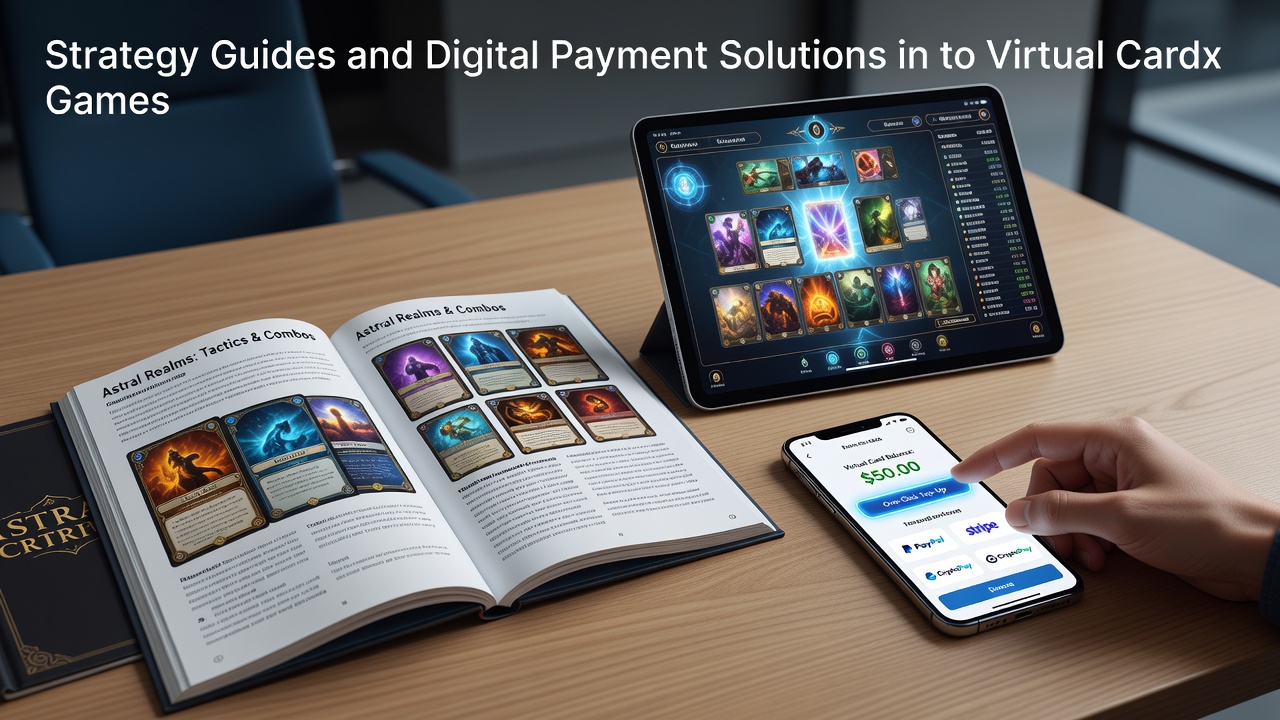
Virtual card games have expanded rapidly since the mid-2010s, with platforms hosting millions of active users who engage in titles that blend skill, deck building, and competitive matches, while digital payment solutions now handle in-game purchases, subscription tiers, and tournament entries across global servers. Strategy guides, ranging from community forums to premium analytical tools, provide data on optimal play patterns, card synergies, and meta shifts, yet their integration with payment systems creates pathways where players access enhanced resources through seamless transactions that track usage and preferences over time.
Core Components of Virtual Card Game Ecosystems
Developers maintain virtual card games through client-server architectures that support real-time matchmaking, card collection mechanics, and progression systems, with data from industry reports indicating that transaction volumes in these environments reached significant levels by 2025 as players acquired packs, cosmetics, and competitive passes. Payment gateways process these exchanges using encrypted protocols that comply with standards from regulatory bodies such as the Australian Competition and Consumer Commission, which oversees digital commerce practices, while platforms incorporate features like one-click purchases and regional currency conversions to reduce friction during peak activity periods.
Function and Distribution of Strategy Guides
Strategy guides appear in multiple formats including video series, interactive apps, and database-driven websites that compile statistics on win rates, archetype viability, and counterplay options, drawing from aggregated match data that players upload or platforms release publicly. Those who study these resources often discover patterns in card interactions that improve decision-making during matches, and publishers frequently bundle guide access with paid subscriptions that unlock advanced analytics or exclusive deck lists updated after each balance patch. Observers note that guide creators collaborate with game studios to ensure accuracy, resulting in tools that reflect current meta developments without violating terms of service that prohibit automated scraping or external bots.
Integration Points Between Guides and Payment Systems
Payment solutions enable direct monetization of strategy content when platforms embed purchase options within guide interfaces, allowing users to upgrade from free basic tips to detailed simulations through the same wallet that funds in-game items. This linkage appears in features such as tiered memberships where recurring charges grant both premium cards and analytical dashboards that track personal performance metrics against community benchmarks. Data from research institutions including those affiliated with European universities shows that such combined offerings increase user retention because players value the combined utility of strategic insight and immediate access to required resources without separate checkout flows. In November 2026 several major platforms plan to roll out unified billing systems that merge guide subscriptions with virtual currency top-ups, streamlining the process for regions that previously required multiple payment providers.

Security protocols play a central role here since payment processors apply fraud detection algorithms that also monitor guide usage for unusual patterns, such as bulk downloads that might indicate account sharing. Industry organizations like the Interactive Games and Entertainment Association in Australia have documented how these safeguards protect both financial data and intellectual property embedded in premium guides, fostering environments where developers release more detailed content knowing transaction integrity remains high. Players benefit when guides include embedded payment links that prefill amounts based on recommended purchases, reducing errors during high-stakes tournament qualification periods.
Regional Variations in Adoption and Regulation
Adoption rates differ across markets because payment preferences vary, with North American users favoring credit card integrations and instant bank transfers while Asian markets lean toward mobile wallet solutions that support microtransactions for guide unlocks. Regulatory frameworks from bodies such as the Canadian Radio-television and Telecommunications Commission influence how platforms disclose subscription terms within guide portals, requiring clear cancellation policies that apply equally to strategy content and virtual goods. Academic studies published through institutions in Singapore have examined these cross-border dynamics, revealing that localized payment options paired with region-specific guide translations correlate with higher engagement metrics in competitive ladders.
Technical Mechanisms Driving the Synergy
Application programming interfaces connect guide platforms to payment processors so that when a user selects a premium analysis module the system initiates a secure token exchange that confirms funds before delivering the content, all while logging the transaction for compliance audits. Machine learning models analyze combined datasets from payment histories and guide interaction logs to recommend personalized bundles, such as suggesting a deck-building tool after a player completes several low-cost purchases. These automated suggestions rely on anonymized aggregates rather than individual tracking in many jurisdictions, aligning with data protection rules that emphasize consent and transparency throughout the user journey.
Conclusion
The connection between strategy guides and digital payment solutions continues to shape how participants interact with virtual card games, as transaction ease supports broader access to analytical resources while payment data informs content refinement. Platforms that align these elements through integrated systems demonstrate measurable effects on user activity, with ongoing developments scheduled through late 2026 expected to further refine security and personalization features across diverse regulatory landscapes.