30 Oct 2026
Electronic Wallet Integrations Shaping Strategy at Online Blackjack Tables
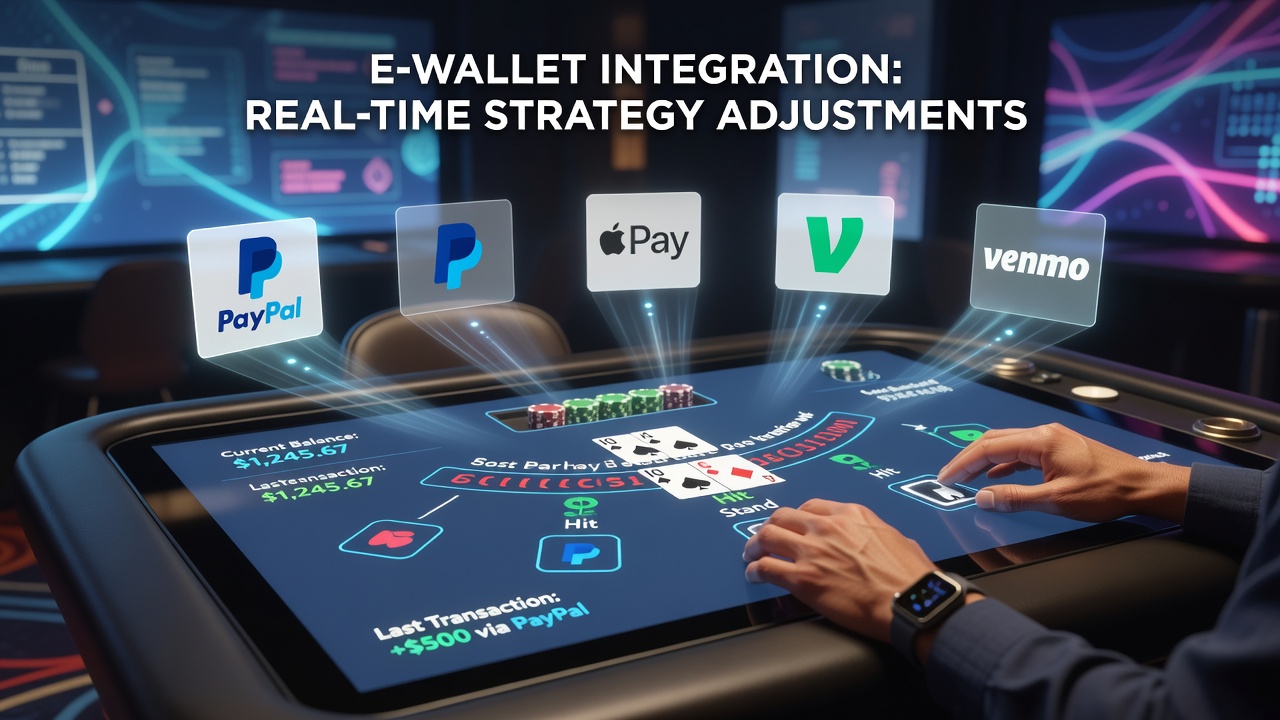
Electronic wallet integrations have become a standard component in virtual casino platforms, and data from multiple regions shows measurable effects on how players adjust their approaches at blackjack tables. Studies conducted by research institutions in North America and Europe indicate that instant deposit capabilities allow participants to modify bet sizes more rapidly in response to table conditions, while withdrawal speed influences bankroll allocation patterns over extended sessions.
According to figures released by the Australian Communications and Media Authority, transaction processing times dropped significantly between 2024 and 2026, creating new variables in player decision trees. Those who have examined gameplay logs note that users with linked e-wallets tend to place follow-up bets within seconds of a hand resolution, compared to longer intervals when relying on traditional card processors. This acceleration changes the rhythm of strategic adjustments, particularly in games where counting systems or pattern recognition guide next-move selections.
Transaction Speed and Real-Time Bankroll Adjustments
Speed of fund movement stands out as a primary factor. When deposits clear in under ten seconds, players gain the ability to double down or increase stakes immediately after favorable outcomes without pausing the session. Observers tracking platform analytics in Canada report that such fluidity correlates with higher variance in betting sequences, as participants respond to short-term card distributions rather than waiting for external payment confirmations. Yet slower withdrawal options can prompt conservative play toward the end of a session, since locked funds limit the option to exit and reallocate resources elsewhere.
Security protocols embedded in many e-wallet systems add another layer. Multi-factor authentication steps, though brief, introduce micro-pauses that some players incorporate into their timing strategies. Research compiled by the University of Nevada's gaming studies group reveals that these brief interruptions occasionally disrupt momentum in card-counting routines, leading experienced users to pre-authorize larger initial deposits to minimize future verifications.
Integration with Loyalty and Reward Mechanisms
Many platforms link e-wallets directly to loyalty programs, and this connection alters long-term planning. Cashback percentages credited automatically after each round provide a predictable offset to expected losses, which in turn affects decisions about when to increase table stakes. Data compiled by the European Gaming and Betting Association shows that players utilizing integrated reward wallets adjust their session lengths more precisely around bonus thresholds, extending play when near a payout tier or shortening it once targets are met.

Geographic differences appear in how these integrations manifest. In jurisdictions with strict responsible gambling overlays, such as certain Australian states, mandatory spending caps tied to wallet accounts encourage pre-session budgeting that carries over into bet sizing discipline. Meanwhile, platforms serving European markets often feature currency conversion tools within the same interface, allowing players to switch denominations mid-session when exchange rates shift, an option that introduces additional calculation steps into basic strategy adherence.
Data Privacy Features and Risk Assessment
Privacy controls available through select e-wallet providers also factor into strategy formulation. Users who route transactions through accounts with enhanced encryption sometimes report greater willingness to engage in higher-stakes tables, since the perceived separation between personal banking details and casino records reduces hesitation. Industry reports from 2026 indicate that this psychological buffer has grown more pronounced following regulatory updates in several Canadian provinces that standardized data-handling requirements across operators.
October 2026 brought further platform updates in multiple markets, with several major providers rolling out one-click wallet top-ups synchronized to blackjack-specific interfaces. These changes reduced the number of steps between deciding on a bet adjustment and executing it, and early analytics suggest corresponding increases in the frequency of split and double decisions among users who previously hesitated due to funding friction.
Conclusion
Electronic wallet integrations continue to modify the parameters within which virtual blackjack strategies operate. Faster transaction flows, embedded loyalty mechanics, and privacy configurations each contribute distinct variables that players incorporate into their planning processes. As platforms refine these connections, the observable patterns in betting behavior and session management are likely to evolve in line with the technical capabilities provided by the payment layer.