13 Nov 2026
Decoding RNG Patterns in Mobile Slot Mechanics: How Algorithm Variations Influence Payout Structures Across Platforms
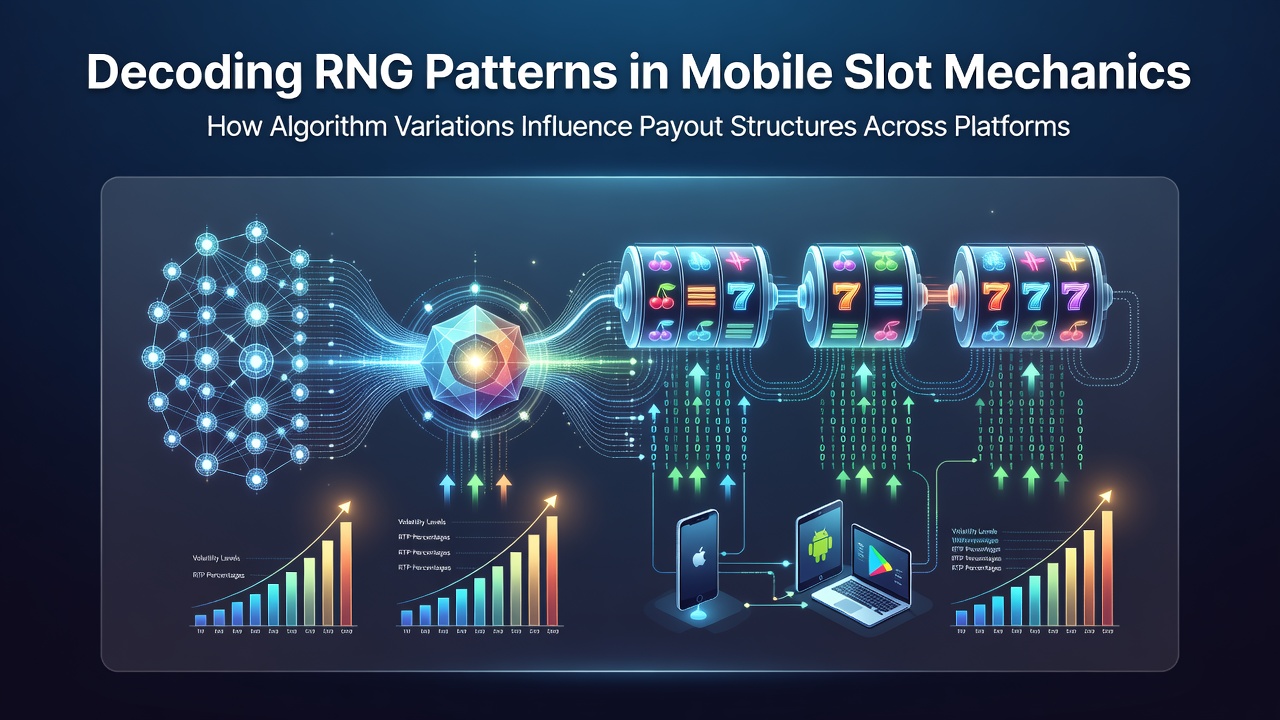
Random number generators form the core of every mobile slot game yet their internal structures often remain hidden from players and operators alike, while algorithm choices directly shape how payouts distribute across sessions and platforms. Researchers have examined these systems for decades because small differences in implementation can alter hit frequencies and return-to-player percentages even when regulatory standards remain consistent across jurisdictions.
How PRNG Systems Operate in Mobile Environments
Mobile slot developers rely almost exclusively on pseudo-random number generators rather than hardware-based true random sources because PRNGs deliver the speed and repeatability required for real-time play on smartphones and tablets. These algorithms produce long sequences of numbers from an initial seed value and the quality of that sequence determines whether outcomes feel evenly distributed or clustered during extended play. Data from testing laboratories indicates that cycle lengths exceeding several billion numbers reduce the chance of repeating patterns within a single user's lifetime of sessions.
Platform differences appear when developers optimize the same algorithm for iOS versus Android architectures because processor architectures and memory management routines affect how quickly the generator advances through its sequence. Observers note that some providers adjust their seeding methods based on device telemetry and this adjustment can influence short-term distribution without changing the overall mathematical model.
Algorithm Variations and Their Effects on Payout Structures
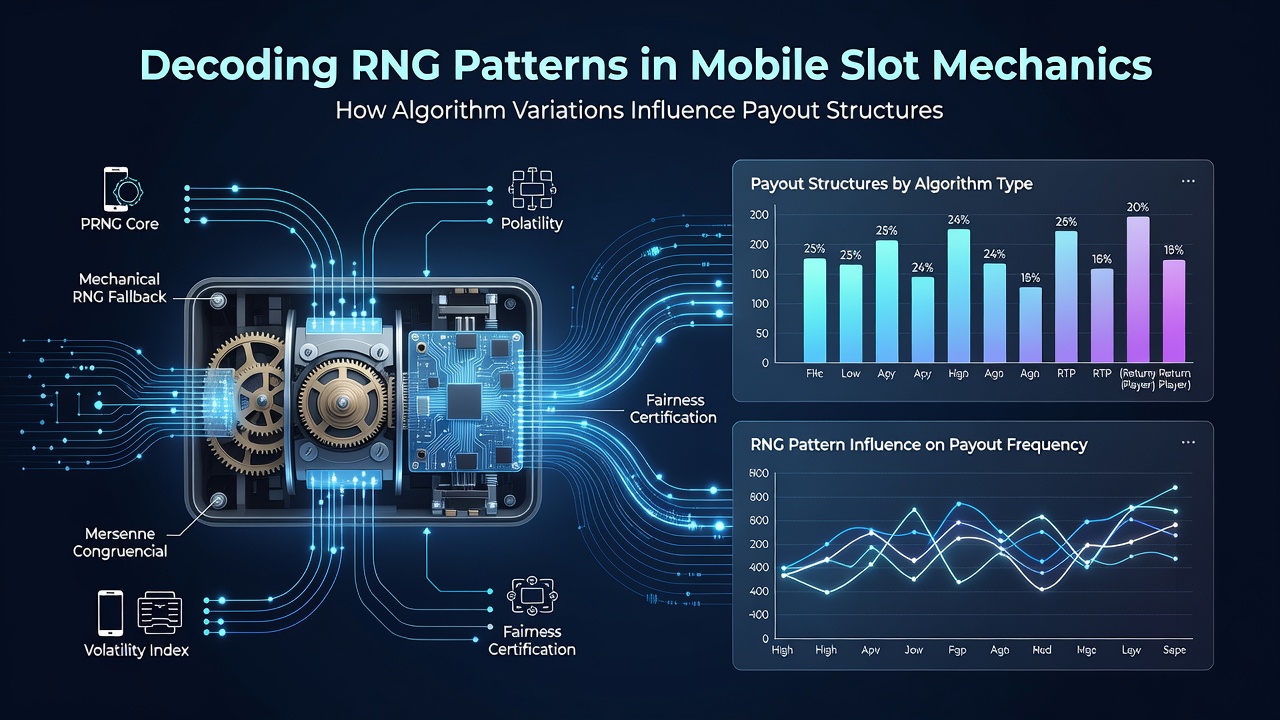
Different PRNG implementations such as Mersenne Twister variants or more modern cryptographic generators produce distinct statistical properties that interact with a slot's paytable and volatility settings. When a game uses a generator with shorter periods or weaker randomization properties the resulting distribution may favor certain symbol combinations more frequently than intended and this shifts the realized return-to-player away from the advertised figure during finite sample sizes. Studies published in technical reports show that properly certified generators maintain RTP within a narrow tolerance band but only after millions of simulated spins.
Volatility settings compound these effects because high-volatility games already space out large wins and any subtle bias in the random sequence becomes more noticeable to players tracking results over hundreds of spins. Low-volatility titles mask minor algorithm differences because frequent small payouts smooth out short-term variance. Experts have observed that providers sometimes select generators based on performance benchmarks rather than pure randomness metrics and this choice can create measurable differences when the same game title runs on competing mobile platforms.
Regulatory Testing Standards Across Regions
Testing bodies in multiple jurisdictions require independent verification of RNG integrity before games reach the market and these standards continue to evolve. According to the Nevada Gaming Control Board updated evaluation protocols scheduled for rollout in November 2026 will place greater emphasis on mobile-specific performance metrics including battery impact and thermal throttling effects on generator speed. Similar frameworks from the Alcohol and Gaming Commission of Ontario already examine how platform-specific optimizations affect outcome distribution and require operators to document any changes to seeding routines after initial certification.
These regional approaches create a patchwork where the same title may undergo slightly different scrutiny depending on where it launches yet the core requirement remains that outcomes stay unpredictable and uniformly distributed over large sample sizes. Industry reports indicate that most mobile slot providers now maintain separate certification files for each major operating system to satisfy these varied requirements.
Platform-Specific Implementation Challenges
Cross-platform development tools allow studios to deploy identical game logic on both major mobile operating systems but underlying random number calls still depend on native libraries and this introduces subtle variations. When a game calls the operating system's built-in random functions instead of a custom implementation the statistical profile can shift because each platform vendor maintains its own generator with documented but distinct properties. Those who've analyzed large datasets of mobile slot results have documented small but consistent differences in hit frequency between iOS and Android versions of identical titles.
Cloud-based RNG services have emerged as an alternative that removes device-level variation by centralizing generation on server infrastructure and this approach gains traction among operators seeking consistent payout behavior regardless of player hardware. Data collected by independent auditors shows that server-side solutions reduce platform-to-platform discrepancies while introducing new considerations around latency and connection stability during live play.
Conclusion
Algorithm selection in mobile slot mechanics directly influences how payout structures manifest across different devices and regulatory environments because each generator carries unique statistical fingerprints that interact with game mathematics. Continued refinement of testing protocols especially those scheduled for November 2026 will likely standardize mobile-specific requirements further while platform providers and game studios adapt their implementations to meet both performance and fairness benchmarks. The relationship between random sequence generation and realized player outcomes remains a central focus for regulators and developers seeking transparent and reproducible results across all markets.