4 Sep 2026
Blockchain Transfers Reshaping Choices at Mobile Live Blackjack Tables
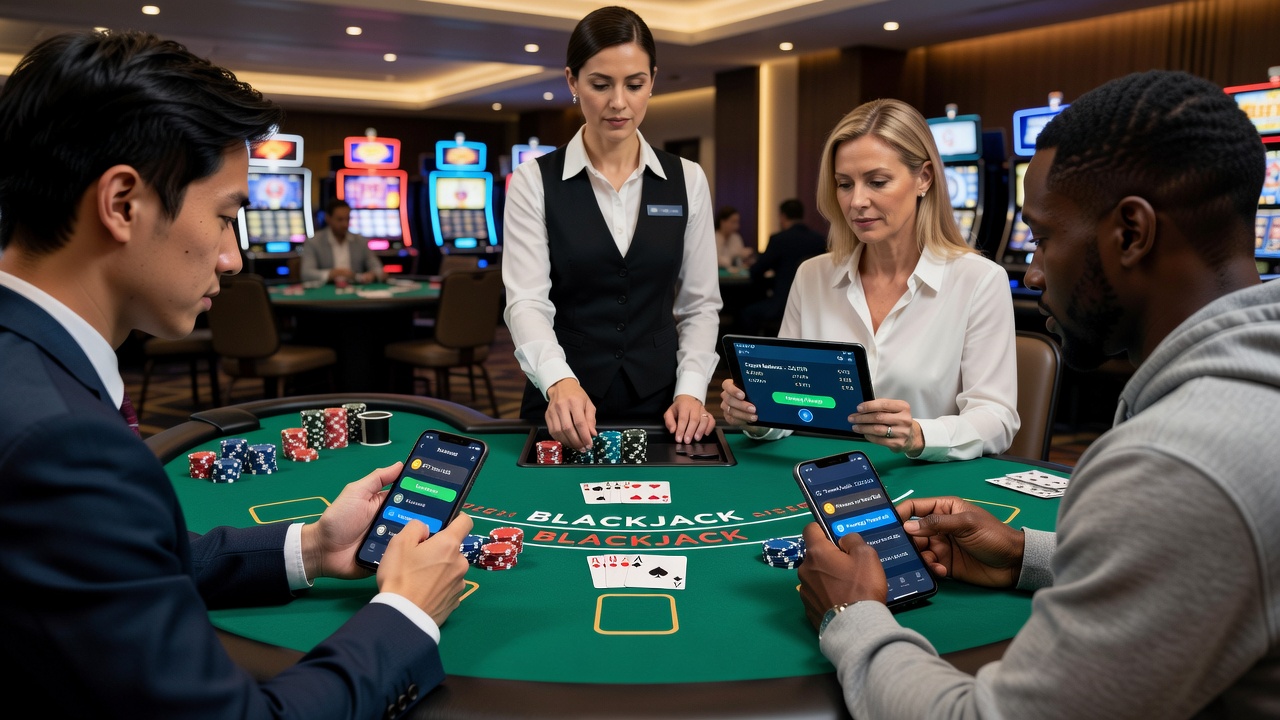
Live blackjack on portable devices has incorporated cryptocurrency transfers as a funding method since the mid-2010s, and data from multiple jurisdictions shows measurable shifts in how players approach decisions during sessions. Research conducted across European and North American markets indicates that transaction speed and reduced intermediary steps correlate with adjustments in bet sizing and session duration patterns.
Mechanics of Crypto Integration in Mobile Blackjack
Portable applications connect directly to blockchain networks through wallet APIs, allowing deposits to clear in seconds rather than the minutes or hours typical of traditional banking rails. Operators in regulated markets such as those overseen by the Malta Gaming Authority have documented average deposit confirmation times dropping below thirty seconds for major cryptocurrencies including Bitcoin and Ethereum. This immediacy removes the natural pause that once existed between deciding to add funds and resuming play, which analysts at academic institutions have linked to altered timing in subsequent wagering choices.
Transaction records remain visible on public ledgers, yet player identities stay pseudonymous on most platforms. Studies released in early 2026 by research teams at Canadian universities noted that participants using crypto maintained longer average session lengths compared with those relying on card payments, while simultaneously exhibiting higher frequency of small incremental bets following each transfer.
Observed Shifts in Player Decision Sequences
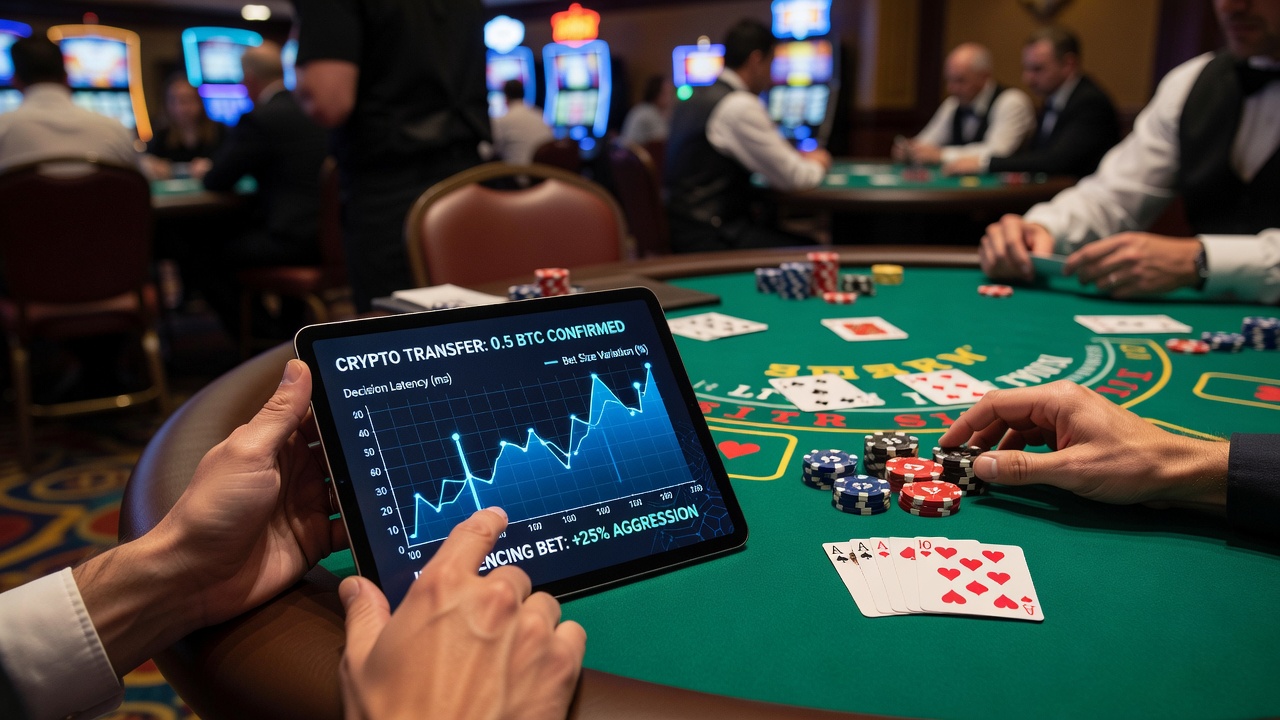
Behavioral tracking software employed by platform operators captures sequences from deposit through multiple hands. One dataset compiled between January and September 2026 revealed that players who completed a crypto transfer within teh prior sixty seconds placed maximum bets 18 percent more often than during periods without recent funding activity. The same analysis, drawn from aggregated anonymized logs across several operators, showed reduced hesitation intervals between hands when wallet balances updated in real time on screen.
Observers tracking these patterns across different device types found consistent trends on both iOS and Android environments. Touch-based interfaces display balance updates immediately after network confirmations, which appears to reinforce a continuous decision loop without external interruptions. Industry reports from the Australian wagering sector have similarly recorded elevated average stakes per hand in sessions funded exclusively through digital assets.
Data Patterns from Recent Regulatory and Academic Sources
A joint review issued in September 2026 by gaming research groups in Singapore and the Netherlands examined over two million mobile blackjack hands funded via cryptocurrency. The findings indicated that rapid balance replenishment coincided with narrower spreads between minimum and maximum wagers within individual sessions, suggesting players adjusted risk exposure more frequently when transfers required minimal effort. Regulatory filings from the Isle of Man Gambling Supervision Commission further noted that platforms offering crypto options reported stable but elevated daily active user figures compared with those limited to conventional payment methods.
University-led experiments published in peer-reviewed journals have begun isolating variables such as transaction fees and confirmation volatility. Lower-fee networks produced steadier bet progression patterns, whereas sessions on higher-volatility chains showed sporadic spikes in conservative play immediately after price swings visible in linked wallet apps. These observations remain preliminary yet point to external market data influencing in-game choices more directly than previously measured.
Device-Specific Factors and Interface Design
Screen size and notification settings on portable devices amplify the visibility of incoming transfers. Push alerts confirming successful deposits appear alongside active game windows, creating concurrent visual stimuli that researchers have associated with shorter deliberation times before the next hand begins. Developers have responded by integrating balance overlays that update without requiring players to leave the table view, further streamlining the sequence from funding to action.
Cross-device studies conducted in 2025 and 2026 highlighted that tablet users exhibited slightly different patterns than smartphone users, with larger displays correlating to more deliberate bet adjustments even after quick crypto inflows. This distinction suggests hardware form factor interacts with payment method effects rather than operating independently.
Conclusion
Available transaction and behavioral datasets demonstrate that cryptocurrency transfers on portable devices correspond with measurable differences in timing, frequency, and sizing of decisions at live blackjack tables. Continued monitoring by regulatory bodies and academic researchers will clarify whether these patterns stabilize or evolve alongside further changes in blockchain infrastructure and mobile interface standards.